
Human Cell Atlas Mapping 37 Trillion Human Cells for Disease Insights
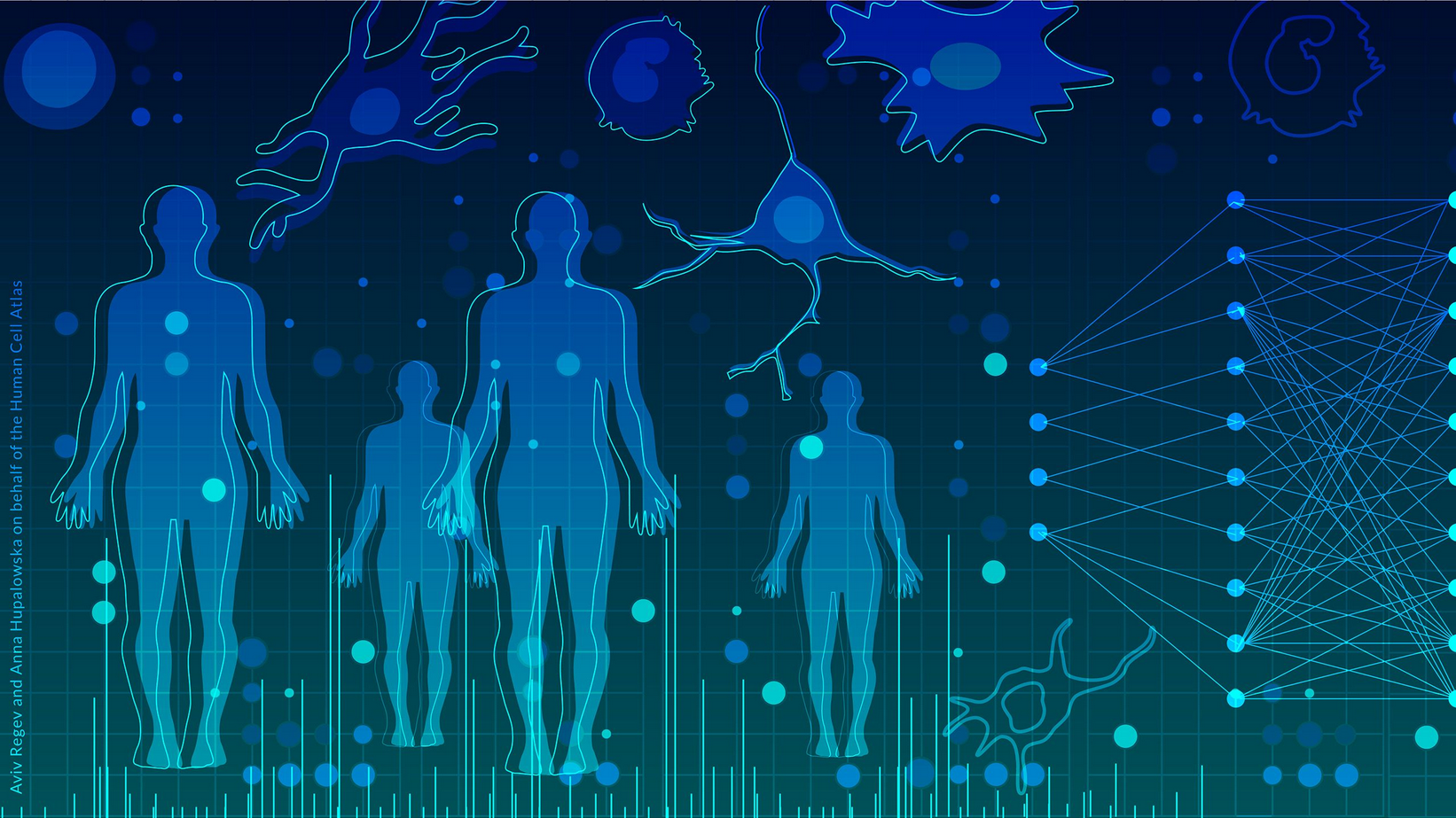
Efforts to map all human cells have made remarkable progress. Researchers from the global Human Cell Atlas (HCA) consortium have published over 40 studies on November 20 in Nature journals, showcasing major advancements in charting the 37 trillion cells that make up the human body. These studies focus on organs like the lungs, skin, and brain while introducing sophisticated computational tools for analyzing vast datasets.
The HCA project seeks to profile cells from diverse populations worldwide, understanding their functions, locations, and interactions throughout life. To date, data from 100 million cells, gathered from over 10,000 individuals across 100+ countries, has been collected. By 2026, the first draft of this cellular atlas is expected, with future iterations including billions of cells.
Key Discoveries Across the Human Body
One major breakthrough includes a cellular map of the digestive system, spanning the oesophagus to the colon. Data from 190 individuals revealed a cell type linked to inflammatory diseases like Crohn’s disease and ulcerative colitis. According to Professor Itai Yanai of NYU Langone Health, these cells may play a role in triggering immune responses and tissue inflammation.
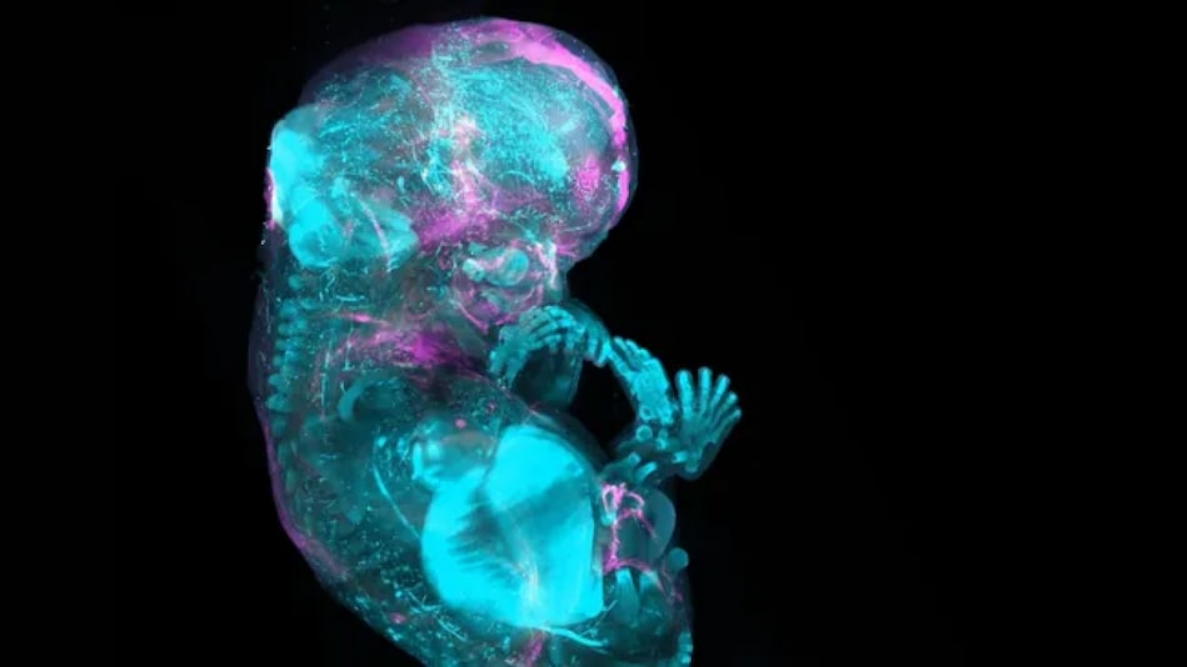
Other studies explored early human development, such as skeletal formation during pregnancy and conditions like craniosynostosis. Researchers also compared fetal brain development with lab-grown brain organoids, confirming the accuracy of these models in mimicking human brain activity up to the second trimester.
Implications for Medicine and Research
These findings are expected to transform drug discovery and disease research. Dr. Aviv Regev, co-chair of the HCA, compared this work to evolving mapping technologies: “We’ve gone from basic maps to something as detailed as Google Maps.” Yet, she acknowledged the significant challenges ahead in completing this monumental task.
Already, the research has yielded groundbreaking discoveries, such as a new lung cell type and insights into tissues vulnerable to COVID-19. Scientists aim to further refine these maps, using organoids and other advanced methods to unravel the complexities of human biology and disease mechanisms.
