

Brain Injuries May Raise the Risk of Alzheimer’s Disease, Say Researchers
Scientists at The Ohio State University Wexner Medical Center have uncovered evidence linking traumatic brain injuries (TBI) to an increased risk of developing Alzheimer’s disease. The study, which utilized both animal models and human brain tissue, reveals how TBIs may promote harmful protein accumulation in the brain, leading to cognitive decline associated with Alzheimer’s. A key focus is on a protein called BAG3, which helps remove damaging proteins. Boosting BAG3 levels could potentially lower Alzheimer’s risk in TBI patients.
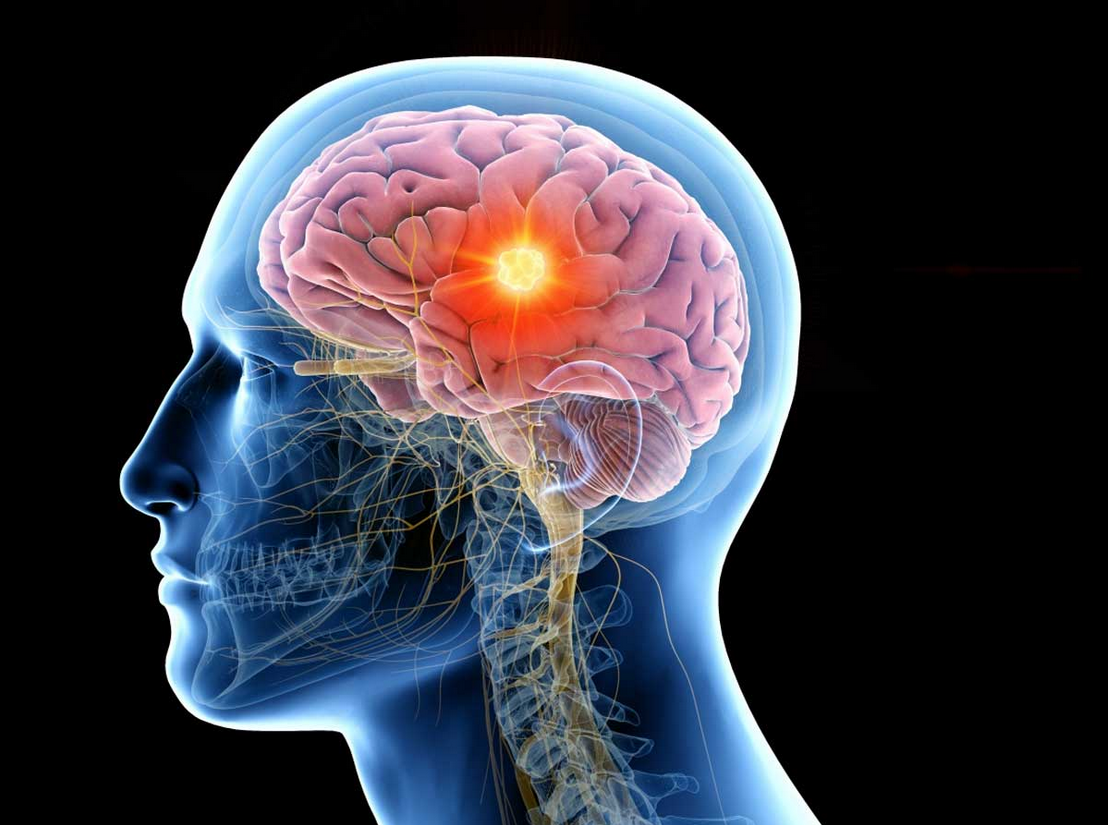
How TBIs Contribute to Alzheimer’s Disease
Each year, approximately 2.5 million people sustain TBIs, many of whom face an elevated risk of Alzheimer’s later in life. Led by Dr. Hongjun “Harry” Fu, Assistant Professor of Neuroscience, researchers examined mouse models and post-mortem human brain samples to understand the connection. They found that TBIs increase levels of hyperphosphorylated tau proteins, known contributors to Alzheimer’s. These proteins, along with synaptic dysfunction, create conditions conducive to cognitive decline.

BAG3 Protein: A Promising Target
The study identified that reduced BAG3 protein levels after TBI contribute to the buildup of tau proteins in neurons. By using gene therapy to enhance BAG3 expression, researchers were able to mitigate some damage, improve brain function, and clear harmful proteins. This finding highlights BAG3 as a potential therapeutic target to prevent Alzheimer’s in individuals with a history of TBI.
Future Directions
Ongoing research will employ a model called CHIMERA, which closely replicates mild TBIs in humans, to further investigate the TBI-Alzheimer’s link. These efforts aim to develop new treatments to reduce the risk of Alzheimer’s disease following brain injuries.
