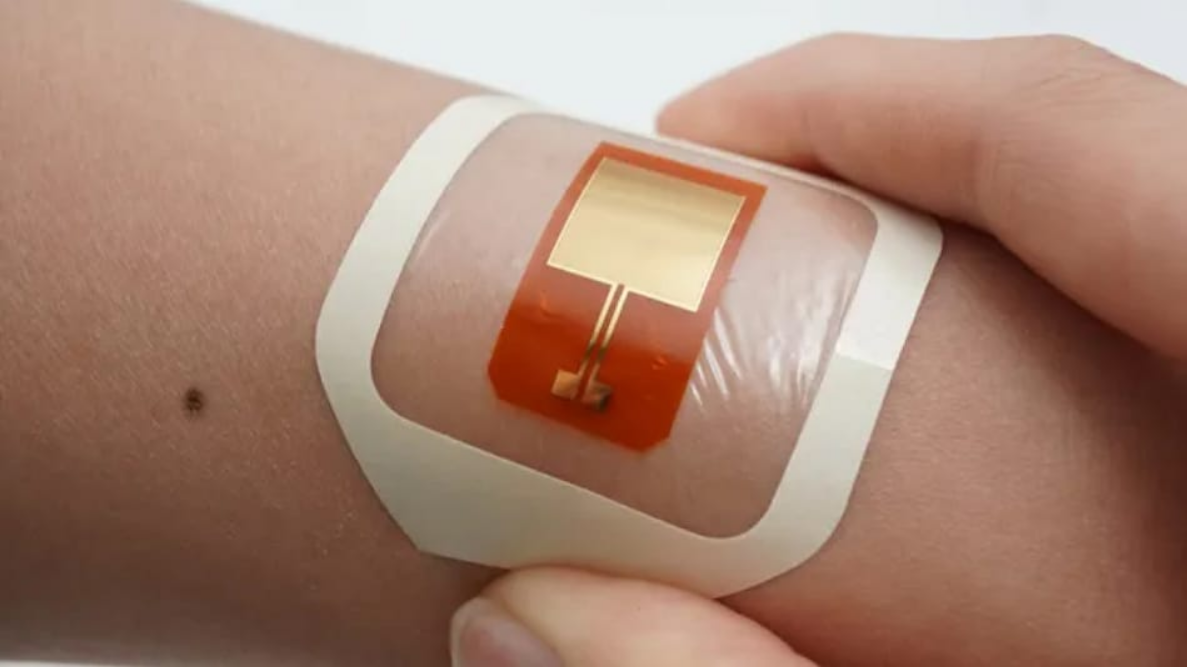

New Patch Device Uses Electricity To Combat Harmful Skin Bacteria
Scientists have developed a revolutionary patch that uses gentle electric pulses to combat bacteria on the skin, potentially reducing infections if these bacteria enter the bloodstream. Named the Bioelectronic Localized Antimicrobial Stimulation Therapy (BLAST) patch, this innovative device generates a mild electrical current to specifically target harmful skin bacteria.
Promising Results on Pig Skin
The BLAST patch was recently tested on pig skin, a common substitute for human skin in preclinical research due to its similar structure. Researchers applied Staphylococcus epidermidis, a typically harmless bacterium found on human skin, which can cause severe infections when introduced into the body via devices like catheters.
Over an 18-hour testing period, the patch delivered electric pulses every ten minutes, using a mild charge similar to that of pacemakers. This approach significantly disrupted bacterial biofilm formation—a protective layer that helps bacteria adhere to surfaces—resulting in a nearly tenfold reduction in bacterial levels on the treated skin.
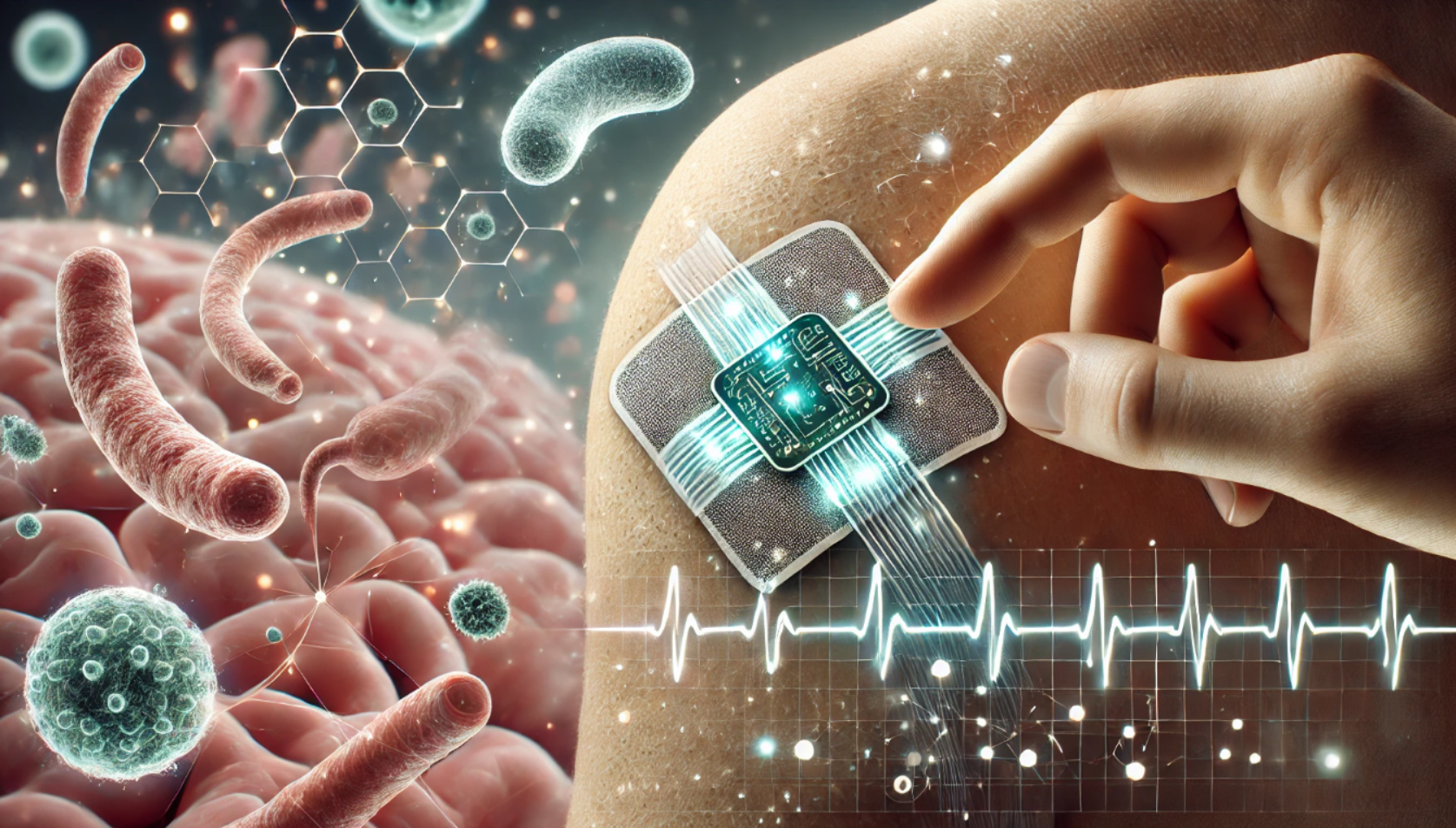
How It Works
The device’s electrical currents only target bacteria under mildly acidic conditions, akin to the natural pH of human skin. Researchers enhanced this effect by incorporating an acidifying hydrogel into the patch, further inhibiting bacterial biofilm formation. This mechanism could help address the challenge of controlling bacterial growth in medical environments.
Potential Medical Applications
Published on October 24 in the journal Device, the study suggests that the BLAST patch could also sterilize the surfaces of medical devices, providing a new layer of protection against bacterial infections. Bozhi Tian, a chemistry professor at the University of Chicago and study co-author, emphasized its potential to reduce dependence on preventive antibiotics, a crucial step in combating antibiotic resistance.

Next Steps
Future research will focus on testing the BLAST patch against other bacterial strains in animal studies and eventually in human trials. If successful, the device could become a practical tool for infection prevention in medical settings within five years.
